Germantown drywall projects can move fast, but they are rarely simple. Many homes have tight hall transitions, active kitchens, and living spaces that need to stay functional while repairs are underway. In that setting, the difference between a smooth project and a frustrating one is usually phasing.
When scope is planned only by damage location, crews often bounce between rooms, break containment lines repeatedly, and create unnecessary cleanup loops. A phased room plan—paired with clear handoff checkpoints—keeps work quality high and disruption lower for occupied homes.
Why tight-access planning matters in Germantown homes
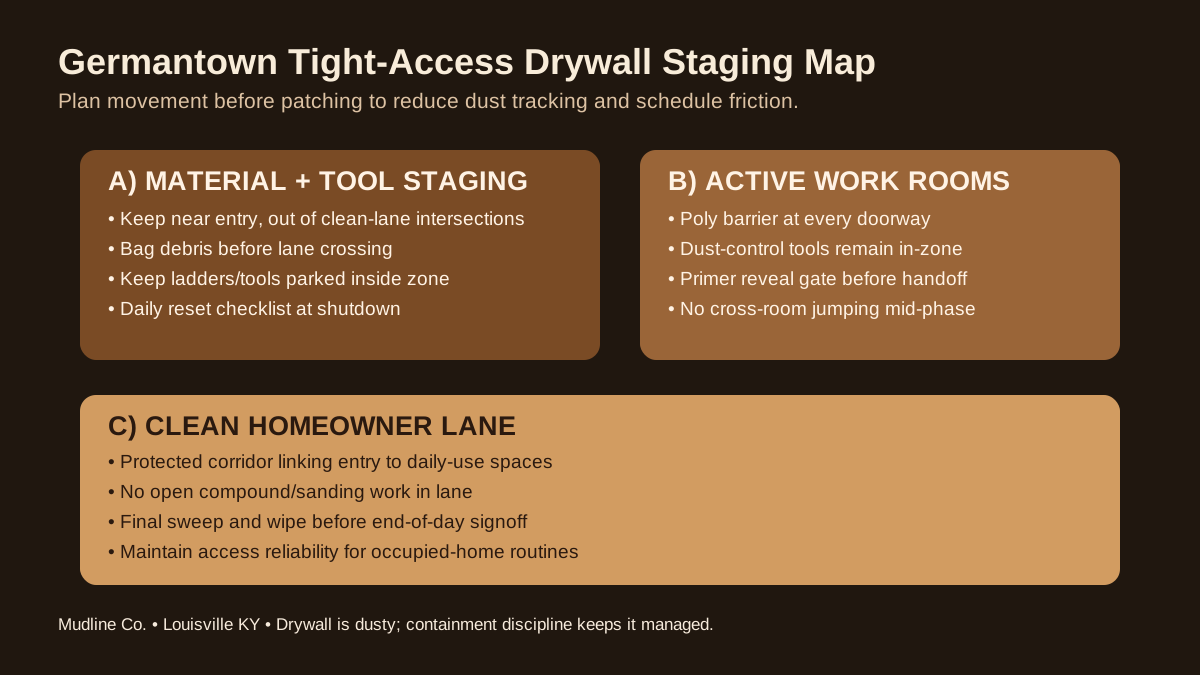
Older Louisville neighborhood layouts often have narrower passage routes between entry, kitchen, and rear rooms. If staging is improvised, drywall movement, tool placement, and cleanup traffic compete with daily household flow. That friction is what makes projects feel chaotic even when craftsmanship is solid.
A better starting point is to designate one material lane, one clean homeowner lane, and one temporary staging zone before the first cut. This avoids repeated resets and protects schedule consistency over multi-day repairs.
Set room phases before starting patch work
Drywall is a dusty process—we do not pretend otherwise. The practical goal is managed dust through containment, not unrealistic “zero dust” promises. In occupied Germantown projects, this means sequencing rooms so containment can be installed once, used efficiently, and reset at defined checkpoints.
Typical phasing works best when rooms are grouped by access dependency: primary circulation zones first, high-visibility rooms second, and low-impact utility spaces last. This order reduces schedule conflict between craftsmanship needs and household routines.
Use visibility-weighted finish priorities
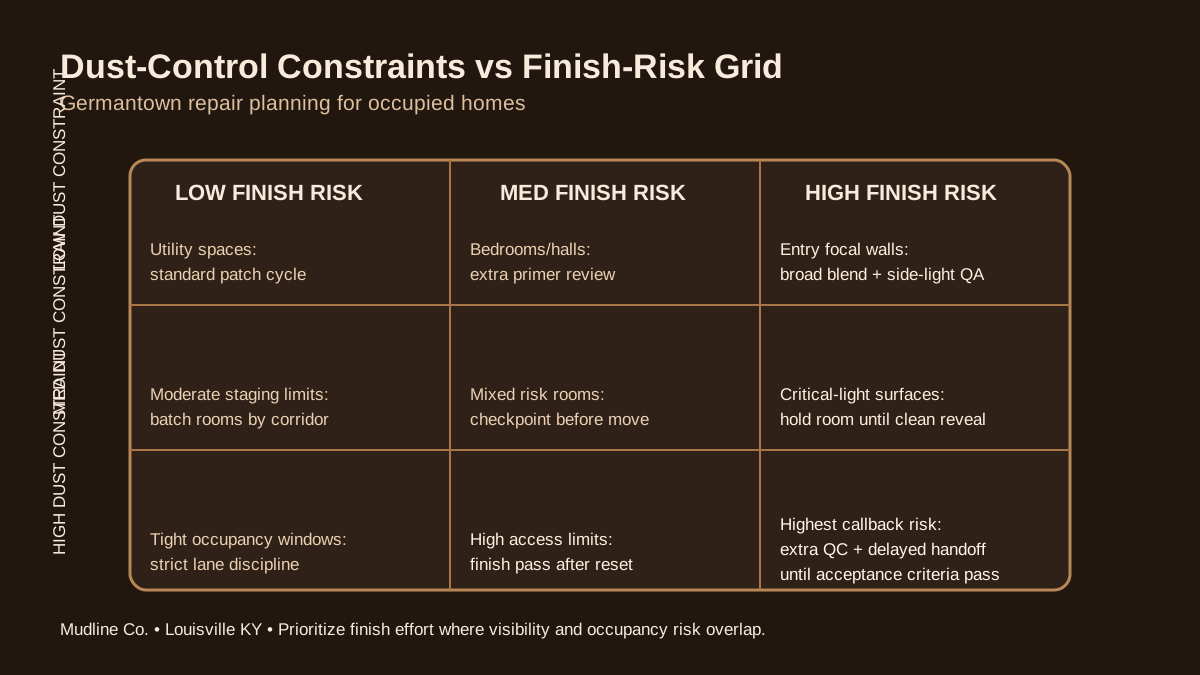
Not every patch warrants identical finish effort. Walls that catch side light, sit in long entry sightlines, or carry mid/high-sheen paint should receive broader blend control and additional primer-review checks. Lower-visibility areas can often follow standard patch-and-feather patterns.
This is not cutting corners; it is targeting effort where perceived quality risk is highest. Visibility-weighted planning improves final presentation while keeping labor allocation realistic.
Define drywall-to-paint handoff criteria early
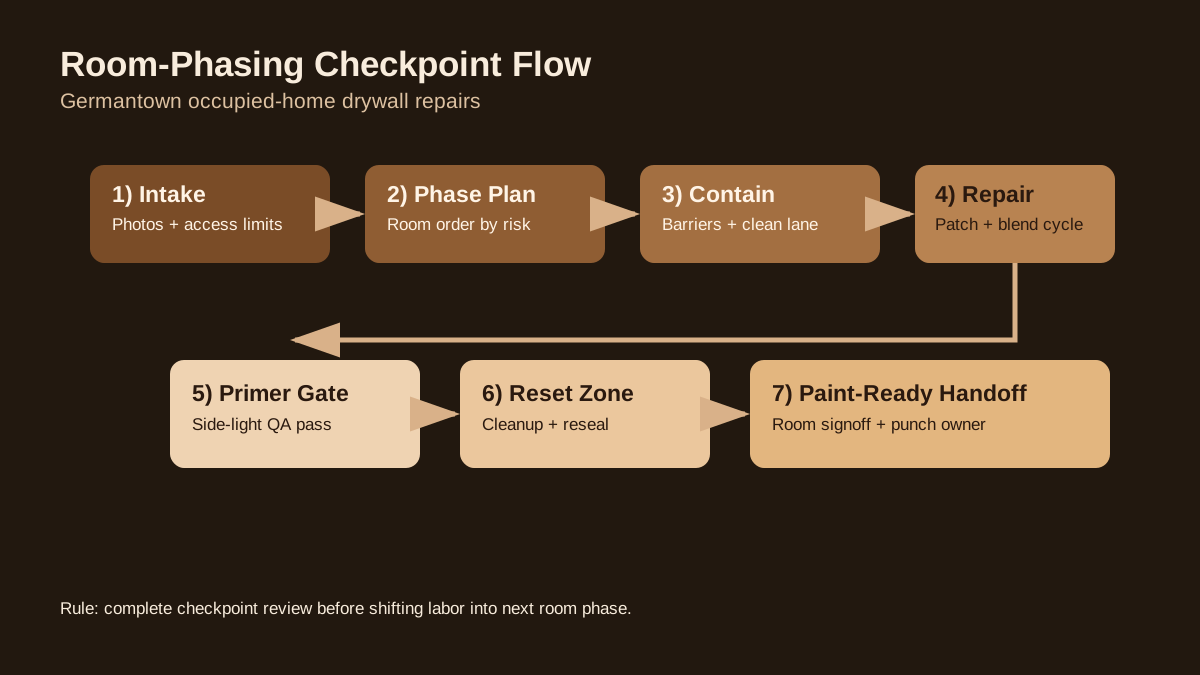
Most callback loops begin when “paint-ready” is interpreted differently by each trade. Prevent that by setting objective gates: substrate stability confirmed, repairs complete, texture transitions reviewed, primer reveal passed, and punch list closed. In tight-schedule remodels, this shared language avoids last-day friction.
For Germantown homes, include doorway-angle and side-light checks where practical. If transition lines pull attention from normal room-entry viewpoints, the wall needs one more correction cycle before signoff.
Quote inputs that improve schedule reliability
Accurate phasing starts with accurate intake. Request straight-on and angled photos, room use constraints, known moisture history, and preferred no-access windows. This information materially improves staging assumptions and prevents under-scoped labor timelines.
It also makes communication cleaner with homeowners: they know which rooms will be active each day, what cleanup level to expect at pause points, and when painter handoff targets should be reviewed.
For narrow-layout homes, mark one protected transport path from entry to staging before setting tools. Keeping that lane consistent cuts both dust tracking and setup time.
Managing occupied-home expectations without overpromising
Homeowners appreciate straightforward language: drywall work creates dust, but disciplined containment and daily cleanup can keep it controlled. Overpromising “perfectly dust-free” outcomes sets teams up for avoidable trust issues. Honest scope language builds better long-term satisfaction.
The same applies to timeline claims. A clear phase schedule with review gates is more credible than aggressive promises that ignore drying, primer reveal, and touch-up reality.
Practical closeout for phased drywall projects
At closeout, run a consistent room checklist: doorway view, side-light scan, trim transitions, and cleanup confirmation. Label each remaining item by owner—drywall, paint prep, or observation-only—so completion responsibility is obvious.
In Germantown projects, this discipline keeps final turnover clean and predictable. Phasing is not administrative overhead; it is a quality-control system for occupied-home drywall work.
How corridor pinch points change drywall labor planning
In many Germantown homes, the path from front entry to kitchen and back rooms is narrow enough that one parked ladder can block normal circulation. That means labor planning cannot ignore movement logistics. If material carrying, debris bag-out, and homeowner traffic all share one route without a lane plan, productivity drops and frustration rises for everyone involved.
A practical fix is to assign travel windows and staging boundaries by phase. During active cutting or sanding, transport runs are consolidated so the lane is disturbed less often. During cleanup windows, tools are pulled tight to staging and debris is removed in one pass. This approach sounds simple, but it has an outsized impact on project rhythm in occupied homes with constrained layouts.
Primer reveal strategy for callback prevention
Primer reveal is one of the most important control points in drywall closeout, especially in homes with mixed lighting conditions. A patch can look clean under direct work lights yet still show a subtle edge when viewed from doorways or under late-day side light. If primer reveal is treated as optional, teams end up learning about finish drift only after topcoat, when corrections are slower and more expensive.
In phased Germantown projects, it helps to define primer reveal as a room-exit requirement. Before a room moves to handoff status, the repair is checked from primary traffic angles, seated-height viewpoints, and any known side-light paths. Notes from that pass should identify whether items are true drywall corrections or painter prep considerations. This separation prevents finger-pointing and keeps completion responsibility clear.
When to expand blend zones beyond the immediate patch
One frequent decision point is whether to keep repairs tight to the damaged area or broaden the blend into adjacent field. In lower-visibility spaces, narrow blends are often appropriate and efficient. But in high-visibility rooms—especially where walls run long from entry to focal points—tight blends can telegraph through finish paint even when workmanship is competent.
Expanding blend zones should be treated as a risk-control choice, not an upsell tactic. If a wall segment has strong natural light, sheen sensitivity, or prior finish irregularities, broader feathering often saves time versus repeating localized touchups. The goal is stable visual consistency at normal viewing distance, not perfection under unrealistic inspection conditions.
Coordination with painters on sheen and acceptance criteria
Paint sheen has a direct effect on perceived drywall quality. Higher sheens reveal surface transitions faster, while flatter finishes can hide minor variation. For this reason, drywall phasing should account for intended finish system early, not after patching is complete. A wall headed for stronger sheen may require extra attention in transition control and side-light checks before handoff.
Good coordination does not require complicated paperwork. A short room-level note can be enough: target sheen assumptions, known sightline risk, and whether handoff is for primer review or full paint-ready expectation. This lets painters prep confidently and helps homeowners understand what each phase actually delivers.
Moisture history and substrate stability in older housing stock
Older Louisville homes can carry hidden moisture history from prior plumbing events, roof seepage, or seasonal humidity behavior. Even when a wall looks dry on the surface, residual instability can affect compound cure, sanding behavior, and final finish consistency. Drywall phasing should include a quick substrate check before committing to final texture or smooth-finish passes.
That check does not need to become a full forensic process. It can be a practical screen: confirm source conditions are resolved, verify board edges and fasteners are stable, and flag any soft or movement-prone sections before decorative finish work. When this step is skipped, cosmetic corrections can be asked to solve structural or environmental causes they were never meant to fix.
Daily close procedures that protect next-day productivity
End-of-day close is where phased projects either gain momentum or lose it. If containment is left loose, tools are not reset, and debris remains scattered, the next morning starts with recovery tasks instead of progress. In occupied homes, that also erodes client trust because the space feels unfinished even when technical scope is advancing.
A consistent close procedure should include lane reset, debris removal, quick wipe of transition points, and visual confirmation of what area becomes active next day. This routine keeps handoffs predictable and reduces the setup burden on every subsequent phase.
How homeowners can evaluate progress without micromanaging
Homeowners often want to track quality but are unsure what to look for between phases. A useful approach is to focus on three practical questions: Are active work zones contained as promised? Are repaired surfaces improving from normal room-entry views? Is the daily-use lane clean and reliable at day end? These checks align with real project outcomes better than close-range scrutiny of fresh compound.
It also helps to remember that small touchups near closeout are normal. What matters is that they are identified, assigned, and completed before final acceptance. A transparent punch process is a quality signal, not a red flag, when it is managed deliberately.
Final takeaway
In Germantown, strong drywall outcomes come from practical phasing: tight-access staging, containment discipline, visibility-based finish priorities, and clear handoff gates. With those controls in place, occupied-home projects stay cleaner and close out with fewer callbacks.
Need drywall repair phasing support in Germantown or nearby Louisville neighborhoods? Send room photos and access details and we will provide a written quote within one business day.