Highlands projects are rarely simple “empty house” jobs. Many drywall repairs happen while families are living in the home, furniture is staged room to room, and work has to share space with daily routines. In that environment, quality depends as much on sequencing as it does on taping and finishing skill.
When a job is planned only by damage location, crews end up re-entering rooms, reopening containment lines, and creating avoidable dust migration. A better approach is to sequence by visibility, access, and handoff timing. That keeps the home usable, reduces rework, and makes final paint readiness easier to verify.
Why sequencing matters more in occupied Highlands remodels
In neighborhoods like the Highlands, room flow matters. Kitchens, hallways, stair transitions, and front rooms carry most daily traffic. If those areas are patched in the wrong order, homeowners lose functional space for longer than necessary and finish quality checks get rushed under schedule pressure.
A reliable sequence usually starts with high-visibility zones that control overall perception of quality, then moves into secondary rooms, then closes with tie-in transitions and final punch items. This order protects the finish standard while keeping disruption manageable.
Set containment zones before the first cut
Drywall is a dusty process—we do not pretend otherwise. The goal is not “zero dust”; the goal is controlled dust through planned barriers, floor protection, and daily cleanup rhythm. In occupied homes near Bardstown Road and Baxter corridors, that distinction matters because expectations are set early and remembered at handoff.
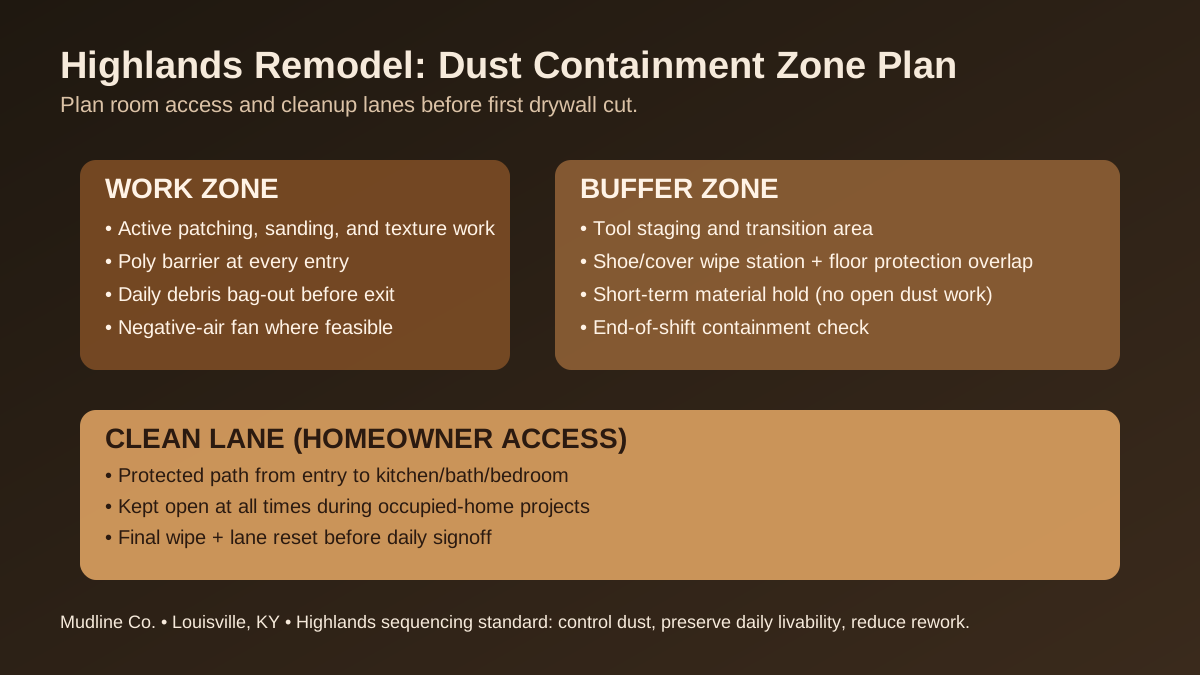
Containment should be mapped as working zones, buffer zones, and clean transit paths. Once those are defined, crews can stage materials and movement without repeatedly breaking seals or dragging debris through finished areas.
Room-priority logic for repair and finish passes
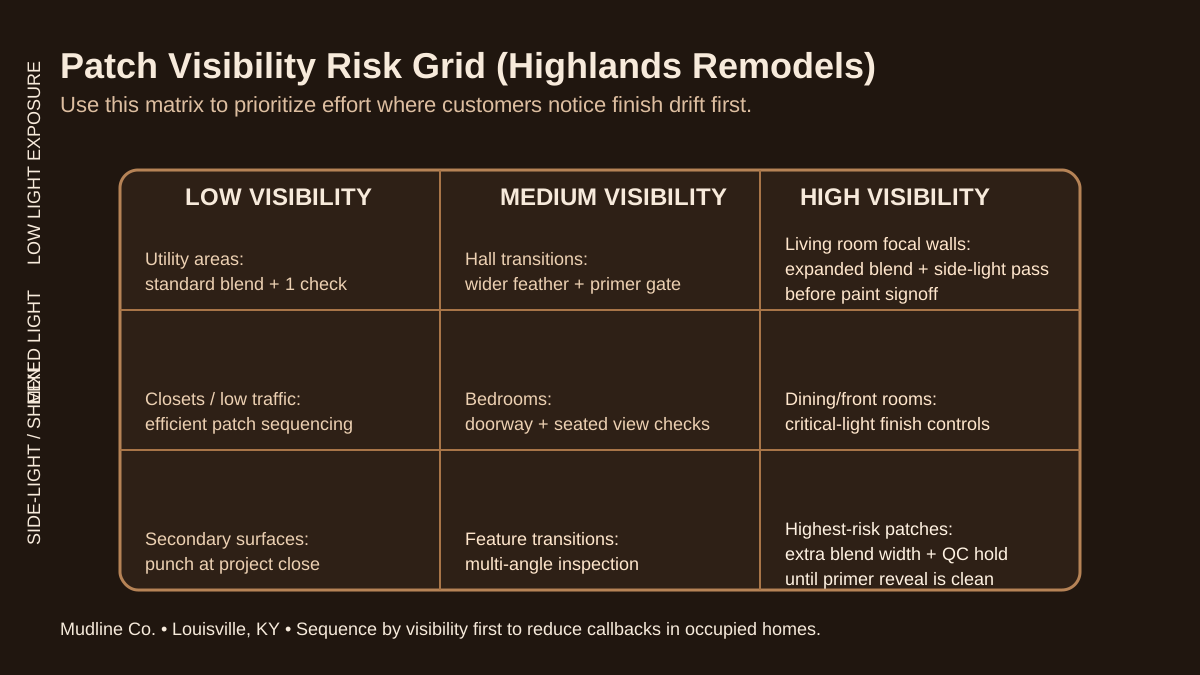
Not every patch deserves the same finish effort at the same moment. Prioritize by visibility risk: daylight walls, long sightlines from entries, and surfaces receiving higher-sheen paint should be scheduled for broader blend control and extra inspection passes.
Lower-visibility utility spaces can follow once critical rooms are stabilized. This prevents small back-room tasks from consuming schedule while premium-view surfaces wait until the end. Clients experience better progress because the most noticeable spaces improve first.

Define paint-ready handoff gates early
Most finish conflicts happen when “paint-ready” means different things to different trades. Establish a shared gate sequence before work begins: substrate verified, repairs complete, texture blended, primer reveal reviewed, and punch list closed. The clearer this chain is, the fewer late-stage surprises show up.
For Highlands remodels, include viewing-angle checks at doorways and common seating positions. If a transition line catches the eye from normal use distance, it is not ready for final signoff yet. This standard keeps expectations practical and objective.
How to reduce callback risk on patch-heavy scopes
Patch-heavy projects often fail at transitions, not centers. Thin blend zones and rushed primer reviews create rings, halos, or flashing once paint cures. Reduce risk by widening transition control on visible walls and scheduling side-light checks before final handoff.
Also document where substrate history may affect finish behavior: prior moisture, multiple repaint cycles, old texture overlays, or minor plane variation. When those conditions are acknowledged in scope, the resulting finish decisions feel deliberate rather than reactive.
On occupied remodels, reserve one “clean lane” from entry to key living spaces every day. It protects homeowner routines and reduces accidental dust tracking during active repairs.
Quote inputs that improve scheduling accuracy
For faster quote quality, request room photos from straight-on and side angles, rough dimensions, moisture history, and preferred work windows. In occupied homes, include notes on no-access times (school pickup, work calls, evening routines) so sequence planning is realistic from day one.
Those details influence labor pacing far more than many owners realize. Accurate sequencing assumptions prevent under-scoped schedules and make the final timeline easier to trust.
Builder and homeowner expectations can coexist
Some Highlands jobs involve both homeowner preferences and builder deadlines. The solution is explicit milestone language: what is being delivered this week, what depends on drying/primer reveal, and what remains on the final punch list. Transparency keeps everyone aligned without overpromising.
When milestones are visible, teams avoid last-minute compression that harms finish quality. Good communication is not extra admin—it is production control.
Practical closeout checklist for occupied homes
Before closeout, run a simple repeatable check: doorway view, side-light view, trim transition view, and final cleanup verification. Categorize each punch item as drywall correction, painter prep, or observation-only. This avoids duplicate effort and makes final acceptance cleaner.
In the Highlands, where project timelines can overlap with active home life, this discipline protects both quality and customer trust. Sequencing and containment are not separate from craftsmanship—they are part of it.
Final takeaway
In the Highlands, better drywall outcomes come from disciplined sequencing: containment planning, room-priority logic, objective handoff gates, and honest dust expectations. When those pieces are set early, finish quality holds and occupied-home disruption stays manageable.
Need drywall repair sequencing support in the Highlands or nearby Louisville neighborhoods? Send us room photos and access details and we will provide a written quote within one business day.