Bardstown drywall texture matching is a different kind of repair challenge than a simple patch in an empty room. Many local properties are guest-facing, turnover-driven, or mid-remodel spaces where the wall has to look quiet after paint and the schedule has to respect bookings, inspections, painters, and owner walk-throughs. Around US-150, KY-245, Bluegrass Parkway, Court Square, and the residential streets feeding Bardstown Road corridors, the repair may be small, but the visibility risk is often high.
The current trend we keep seeing across remodel and rental work is simple: owners want faster room resets without accepting obvious square patches. That puts more importance on texture diagnosis, blend-zone planning, primer reveal checks, and realistic dust control. Drywall repair is not just filling a hole. It is matching profile, height, edge softness, light behavior, and paint sequence so the finished wall does not call attention to itself when guests, buyers, or tenants walk in.
Why Bardstown texture repairs need a wider plan
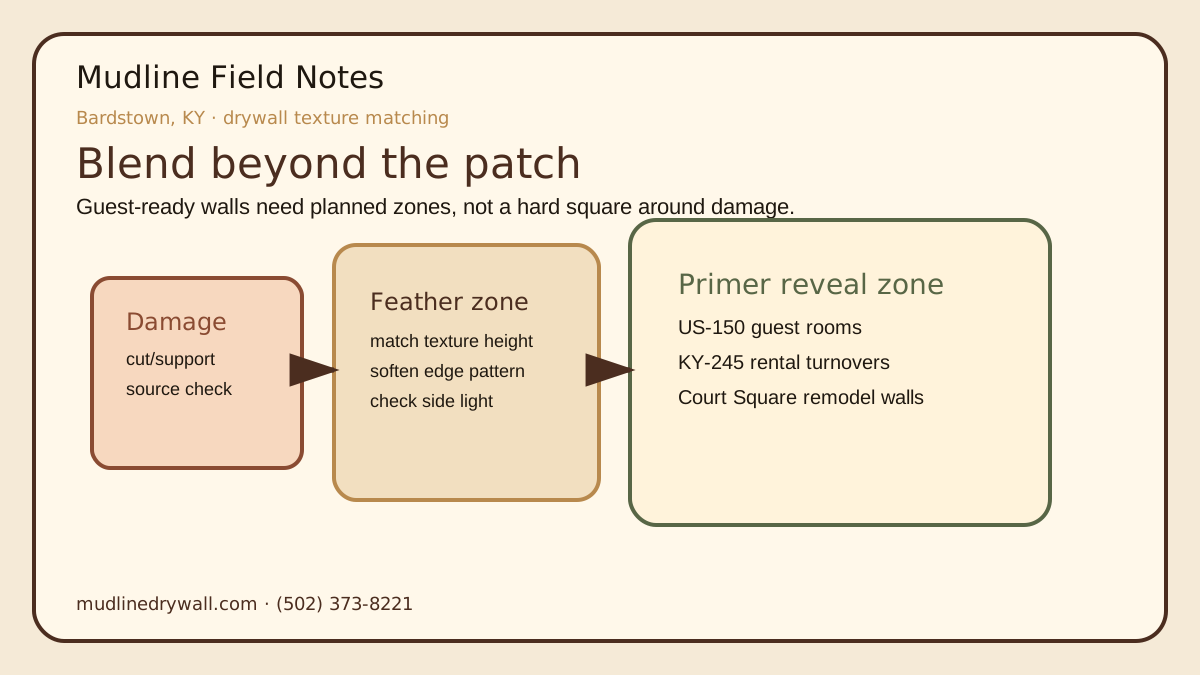
A common mistake is treating the damaged area as the full repair area. The visible problem may be a doorknob hole, plumbing access cut, ceiling stain, or old settlement crack, but the finished repair is judged across a wider surface. Existing texture has direction, depth, age, paint buildup, and sheen. If the patch stops at a hard rectangle, the repair can look clean up close and still flash from across the room.
That is why texture matching starts with the surrounding field. We look at how the existing pattern was made, whether it has been repainted several times, and where natural light hits the surface. A repair beside a window, under a sconce, or across from a glossy paint color needs more feathering than a low-light utility wall. The best blend is usually a gradual transition, not a perfect stamp inside the cut line.
Turnover schedules change the drywall sequence
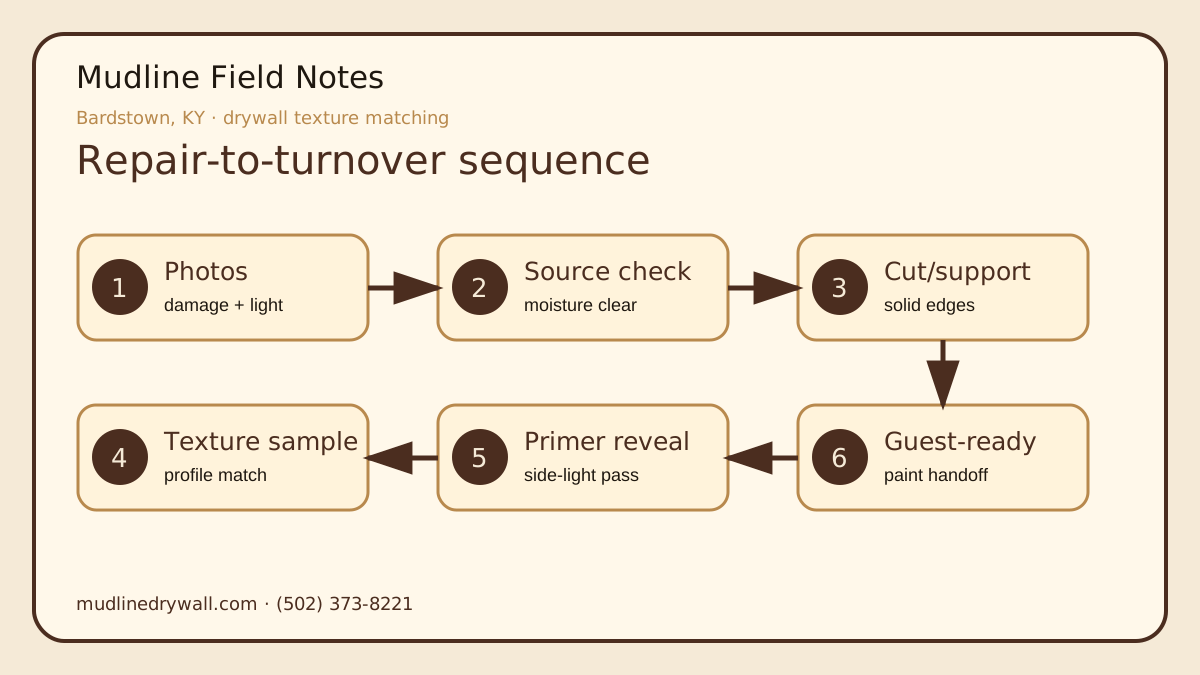
For short-term rentals, hospitality spaces, and guest-ready remodels, schedule pressure can be as important as technique. A room near check-in cannot sit open while trades decide who owns the next step. The drywall sequence should be agreed before the first cut: photos, source check, board support, patch, texture sample, dry time, sanding, cleanup, primer reveal, and paint handoff.
This matters around Bardstown because many properties balance owner use, guest stays, and seasonal traffic. Work near downtown, the Bourbon Trail, and Bluegrass Parkway access routes often has fixed windows. A clear sequence protects those windows. It also prevents the most common late-stage problem: the wall is technically patched, but the texture or primer line still shows when the room is reset.
Texture profile comes before compound
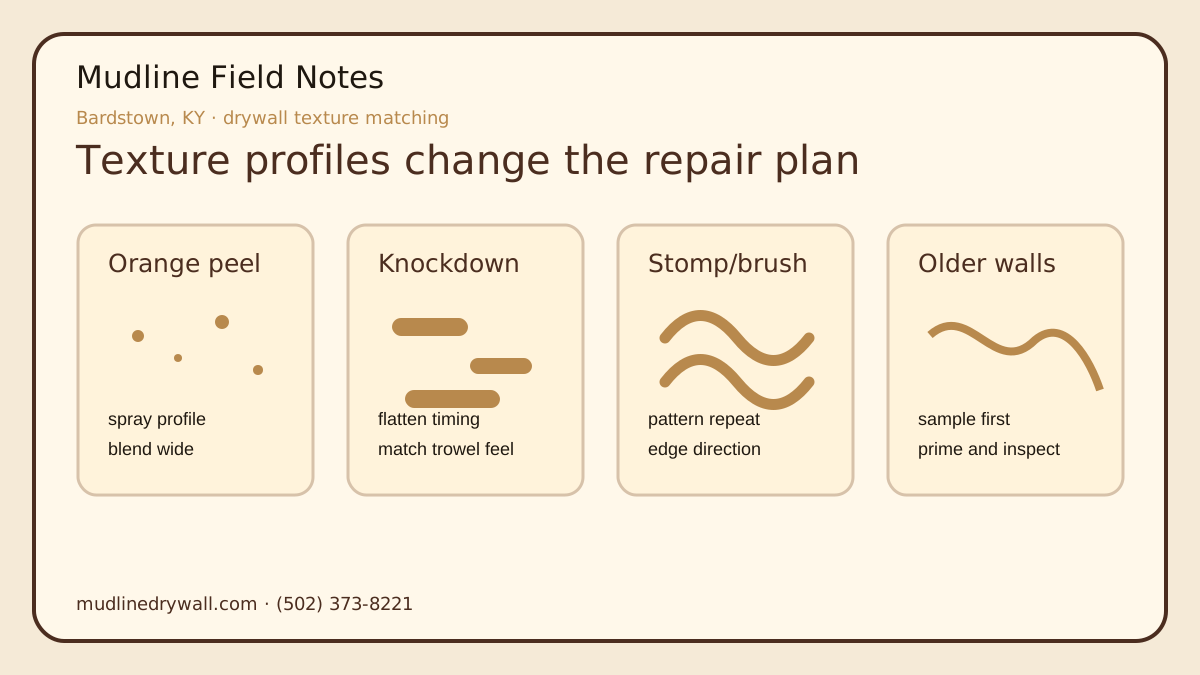
Before compound goes on the wall, identify the existing texture profile. Orange peel, knockdown, stomp brush, skip-trowel, and older hand-worked surfaces each behave differently. Some profiles are mostly spray pattern. Others depend on knockdown timing, brush direction, or years of paint softening the texture height. If the profile is guessed, the repair usually needs more correction later.
Profile matching should include a small sample mindset. Even when a full formal sample is not necessary, the crew should know what tool, pressure, and timing will create a similar surface. Older walls may need a softened approach because the existing texture is no longer as sharp as fresh material. In those cases, matching the age-softened look matters more than matching a textbook texture name.
Moisture and source checks prevent repeat staining
Texture matching does not solve a moisture problem. If the repair began with a roof leak, plumbing drip, HVAC condensation, bath exhaust issue, or exterior-wall stain, source control must come first. Bardstown properties with older assemblies or recent renovations can hide small moisture paths that only appear after paint. Covering those signs too early risks a repeat stain and a frustrated callback.
The correct sequence is source check, dry confirmation, substrate stability, and then repair. If the area was opened for access, the backing and cut edges need to be firm before texture blending begins. A strong repair is supported from behind, matched at the face, and revealed under primer before final paint. Skipping that order makes a fast job slower in the long run.
Lighting is the real judge
Walls are not judged under work lights alone. They are judged under the light the room actually uses: morning window light, evening lamps, hallway LEDs, bathroom vanity light, or a guest-room fixture. Low-angle side light can expose joint edges, sanding scratches, and texture mismatch that looked fine during installation. That is why a primer reveal check is valuable before final paint.
For Bardstown guest rooms and living areas, we prefer checking the repair from normal viewing positions. Stand at the doorway, sit line, or bed angle and look across the wall instead of straight into the patch. If the blend reads quiet from those positions, it is more likely to hold up when the room is furnished and photographed for listings or owner walk-throughs.
Paint sequencing matters as much as texture
A matched texture can still flash if paint sequencing is rushed. Primer should seal the repair consistently, and final paint should account for sheen, color age, and wall-to-wall boundaries. Sometimes the right answer is touching up a contained area. Other times the cleanest result is repainting corner-to-corner so the eye does not compare fresh paint against older paint in the middle of a wall.
This is especially important on rental and hospitality spaces where walls are photographed, cleaned often, and seen by fresh eyes. If the existing paint has faded or burnished, a small touch-up may highlight the repair even when the drywall work is sound. Calling that out early helps owners choose the best finish path for the schedule and budget.
Dust control still needs honest expectations
Drywall is a dusty process — we do not pretend otherwise. Texture repair, sanding, and surface prep all create dust. The professional goal is to contain it, reduce spread, and reset the work area daily. Plastic barriers, floor protection, careful tool staging, and cleanup discipline make a major difference, but some dust is still part of the process.
That honesty matters in occupied homes and guest-ready properties. Owners can move linens, protect furnishings, and plan cleaning windows when they know what to expect. Good containment supports trust because it is visible. A clean promise that ignores drywall reality usually creates disappointment. A clear dust plan gives everyone a better schedule.
What to send for a faster Bardstown texture quote
Good quote photos save time. Send one wide photo showing the whole wall or ceiling, one medium photo showing the damage and nearby corners, one close photo showing the texture profile, and one angle photo showing how light hits the surface. If the repair is tied to water, include what caused it and whether the source has been corrected.
Also share the room use and timing constraints. A guest room with a booking deadline, a storefront wall before opening, or a homeowner remodel before painters arrive each needs a different sequence. The more context we have up front, the easier it is to plan the repair, protect the work zone, and give a written quote that matches the real job.
Where blend-zone discipline pays off
Blend-zone discipline helps most in high-visibility rooms: entry walls, living rooms, bedrooms, hallways, dining areas, and ceilings with direct light. It also matters on older homes where texture has been built up by multiple paint cycles. A patch may only be twelve inches wide, but the eye reads the entire surface. Wider feathering and smarter paint boundaries keep the repair from becoming a target.
For Bardstown remodels, that discipline is useful in both historic homes and newer properties. The local mix of older plaster-adjacent surfaces, updated rental interiors, and guest-ready paint expectations means repairs should be judged by final room appearance, not just whether the hole disappeared. The finish standard should match the way the room will actually be used.
Bardstown drywall texture matching FAQs
Can a drywall patch match older Bardstown wall texture exactly?
Many patches can be blended very closely, but older painted textures may not match perfectly at a hard edge. Wider feathering, primer checks, and smart paint boundaries usually create the quietest result.
What should be checked before repairing a water-stained textured ceiling?
Confirm the leak source is fixed, verify the area is dry, and inspect the substrate before patching. Texture matching should happen after moisture and support concerns are resolved.
Do rental turnover repairs need a different approach?
Yes. Turnover work needs clear scheduling, dust containment, primer reveal checks, and paint handoffs so the space can reset cleanly for guests or tenants.
Does Mudline handle texture matching near Bardstown and Nelson County?
Yes. Mudline serves Bardstown-area drywall repair, texture matching, and paint-ready finishing projects within the Louisville regional service radius.
Final takeaway
Bardstown drywall texture matching is about more than patching the damaged spot. The repair has to respect texture profile, side light, paint age, schedule pressure, and room use. When the sequence is planned from source check through primer reveal and paint handoff, the wall has a much better chance of staying quiet after the room is back in service.
Need texture matching in Bardstown or nearby Nelson County? Send photos and project details and Mudline will return a written quote within one business day.