Bardstown properties have a distinct operating rhythm. You have owner-occupied homes, long-term rentals, and a steady layer of guest-facing spaces tied to tourism and event traffic. That means drywall work is not only about making a wall flat — it is about planning scope so rooms reopen on schedule, finishes read clean in listing photos, and callbacks stay low after turnover. Whether the project is near downtown, along US-150, or just off Bluegrass Parkway, the same rule applies: finish quality and timeline planning have to work together.
In practical terms, most Bardstown calls come in clusters: a few wall patches after fixture moves, a ceiling cut after plumbing/electrical access, and one high-visibility wall where old repairs telegraph through paint. Treating those items one-by-one often costs more time and produces mixed results. Treating them as a single visual plan usually gives better value and cleaner outcomes. This is where a written scope helps: what is getting localized patching, what needs wider blend zones, and what should be skimmed across the full viewing field.
Why turnover drywall planning fails without priority zones
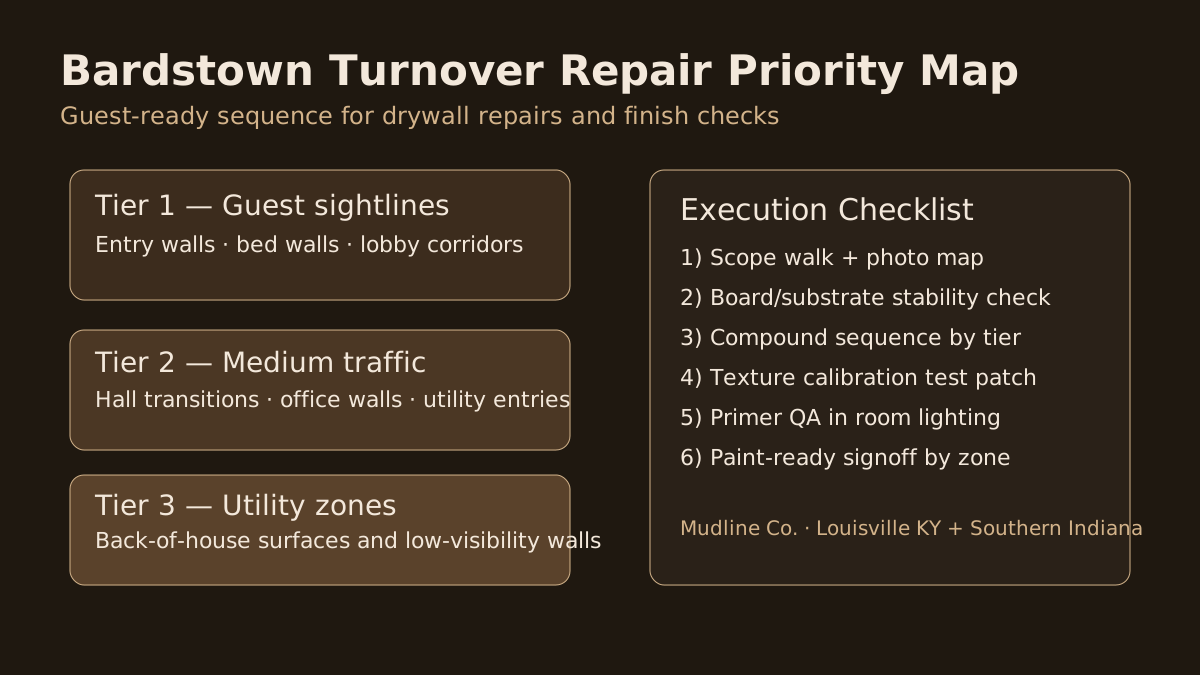
Many turnover scopes fail for one simple reason: everything gets the same priority. In reality, not all surfaces are equal. A utility wall in a back hallway can tolerate a basic patch sequence. A living-room wall with side light or a headboard wall in a rental bedroom cannot. If you assign the same finishing effort to both, you either overspend on low-impact areas or underserve high-visibility areas.
For Bardstown properties that depend on guest impressions, we like a three-tier map. Tier 1 is guest-facing sightlines and photo zones. Tier 2 is medium-traffic surfaces that still need consistency. Tier 3 is utility surfaces where durable clean work matters more than cosmetic perfection. That map lets owners spend finish labor where it actually protects revenue, reviews, and repeat bookings.
Choosing Level 4 vs Level 5 in hospitality and rental interiors
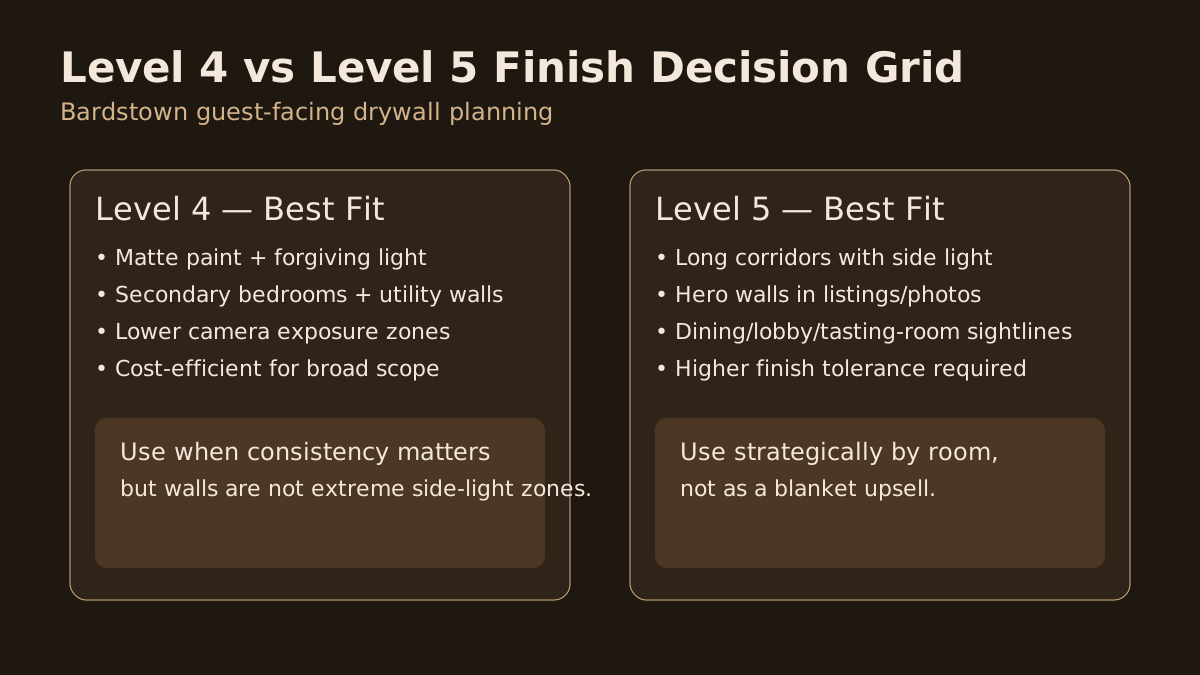
Level 4 is a strong standard for most painted walls with forgiving light and matte sheen. Level 5 is a strategic upgrade for spaces where the wall must read smoother under stronger light, higher contrast paint, or camera-friendly staging. The mistake is treating Level 5 as an all-or-nothing upsell. In real projects, a mixed approach is often smarter: Level 5 on hero walls and long corridors, Level 4 on secondary walls, with consistent prep and primer checks everywhere.
In Bardstown, this shows up most often in front living areas, entry sequences, and dining or tasting-room zones where angled lighting hits broad wall runs. If those walls are patched narrowly or sanded aggressively, the repairs can show after paint and become an avoidable callback. A planned wider skim or better feather strategy up front saves time later.
A room-by-room scope sequence that protects schedule
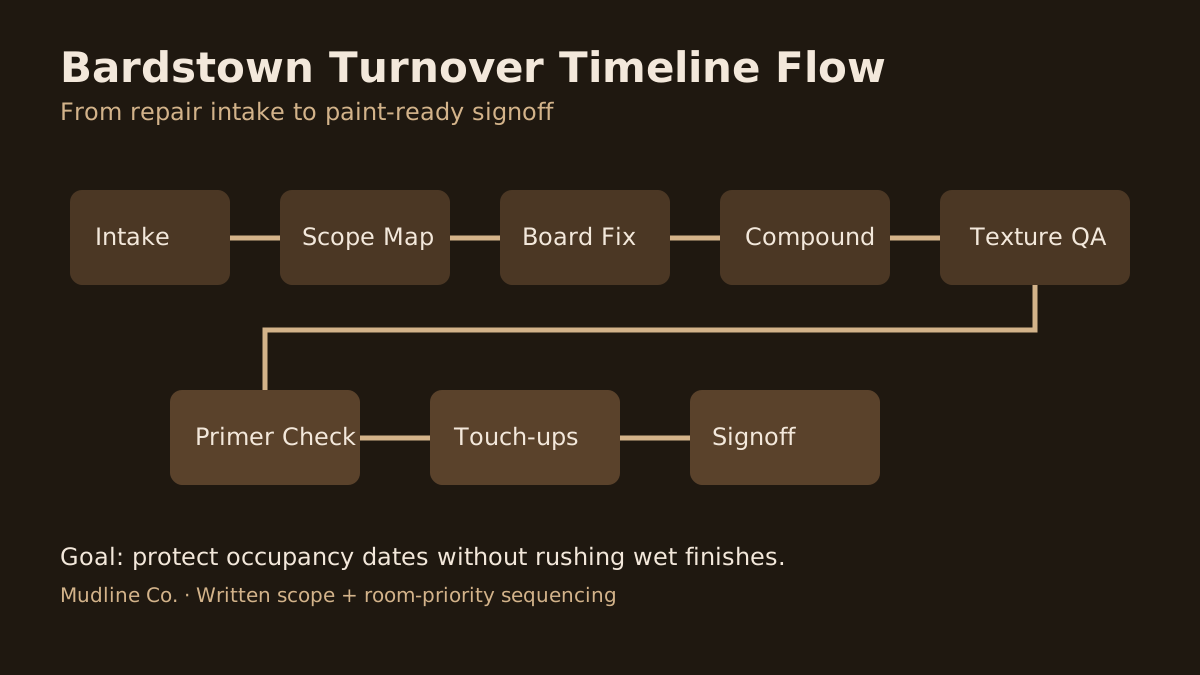
Most owners care about one outcome: reopen confidently, without rushing wet mud or paint. That only happens when work is sequenced with drying windows and inspection gates. Start with demolition/cut access complete, then patch structure and board, then compounds by room priority, then primer checks, then final paint readiness signoff. When a project skips these gates, teams end up repainting over unfinished transitions, and that is where defects get locked in.
- Scope walk + photo map: identify Tier 1, Tier 2, Tier 3 repair zones before tools come out.
- Board and substrate checks: confirm dry, stable backing where cuts or water events occurred.
- Compound passes by priority: complete high-visibility walls first so they get full drying and inspection time.
- Texture and sheen calibration: test-match before full wall treatment when existing texture varies.
- Primer QA under live lighting: verify from doorway angles, not just arm’s-length touch checks.
- Paint-ready release: sign off each zone with notes so no room gets rushed at turnover.
For guest-facing spaces, always inspect after primer with practical room lighting on. If a repair is visible at check-in distance, it needs correction before paint, not after.
What to include in a Bardstown quote request
Better scope starts with better intake. Send straight-on and side-angle photos, room type, damage cause, timeline target, and whether the property is owner-occupied, rental, or hospitality. If this is a turnover window, include the next occupancy date so sequencing can be planned responsibly. Mention if walls are smooth, orange peel, or knockdown, and whether any prior patches are already visible. Those details decide whether localized repair is enough or a wider finish strategy is the cleaner path.
Also note whether you need one room reopened first. Prioritizing one complete room can reduce business disruption while the rest of the scope progresses. A written quote should reflect this reality — not just total square footage, but sequence, finish expectations, and inspection checkpoints.
Dust and occupancy expectations
Drywall is a dusty process — we do not pretend otherwise. On occupied projects, the standard is controlled containment: plastic barriers, floor protection, and daily cleanup tied to active zones. You may still see some dust, but the goal is to keep it managed and localized so turnover can stay predictable.
That matters especially when guest spaces are booked in tight windows. Clear expectations about access, drying windows, and cleanup help prevent schedule pressure from forcing poor finish decisions. In the long run, fewer rushed decisions means fewer call-backs and better visual consistency from room to room.
Final takeaway
Bardstown drywall work performs better when scope is built around visibility, occupancy, and sequence — not just patch count. Prioritize the walls guests actually see, choose finish levels by lighting, and protect drying/inspection gates before paint. That approach creates cleaner outcomes and fewer surprises for owners, managers, and guests.
Need drywall repair or finish planning in Bardstown? Send us photos and timeline details and we will provide a written quote within one business day.